Every winter, I get the same phone calls within hours of the first deep freeze after a heavy snow. Water is dripping behind the fascia, paint is peeling in the dining room, and there’s a suspicious patch on the bedroom ceiling that wasn’t there yesterday. The culprit is almost always the same: ice dams clamped to the roof edge, feeding meltwater back under shingles and into the house. If that sounds familiar, you’re not alone. Ice dams are a predictable, solvable problem, but solving them safely and permanently takes a clear head and some hard-earned experience.
This guide draws from years of residential work across the Upper Midwest and New England, where winter teaches you to respect physics and not to underestimate a 10-inch band of ice. We will look at how ice dams form, what professional ice dam removal actually entails, what it costs, and how to prevent the next one. Along the way I will flag the shortcuts to avoid, because the wrong fix can turn a small leak into a larger insurance claim.
What is an ice dam and why it forms
An ice dam is a ridge of ice that forms along the colder edges of a roof or in valleys, usually over the eaves and gutters. The roof field higher up is warmer than the overhang for three common reasons: heat leaking from the house, sun warming dark shingles, and airflow patterns that trap warmth near the roof deck. Snow acts like a blanket. The bottom layer of snow melts against the warm roof deck, the meltwater runs down the slope, then hits the cold overhang and refreezes. Over a few cycles, that frozen edge thickens into a dam with a water reservoir behind it.
Roofs with uneven insulation, complex dormers, and cathedral ceilings see more severe ice damming. I often find the worst dams above recessed lighting or over a bathroom where a warm vent pipe is hiding under a thinly insulated cavity. Wind can make it worse by drifting snow into deeper piles that take longer to melt and refreeze. The result is predictable: water backs up beneath shingles, seeps into nail holes, and finds the path of least resistance into your home.
The real damage an ice dam can cause
The most visible damage is staining on ceilings and walls, but the hidden costs are higher. Wet insulation loses R-value. Plywood sheathing can delaminate. Ice can pull gutters out of alignment or rip them off completely if a thaw refreezes and expands. Inside the house, moisture can flare up as mold behind drywall, particularly on exterior walls with cold sheathing and latex paint that traps vapor. I have opened wall cavities in March and found frost sandwiched between fiberglass batts and exterior sheathing, which drips later when temperatures rise.
Callers sometimes ask if they can wait out the season. That can work in a mild winter. In a harsh one, it usually leads to swollen window casings, buckled hardwood floors adjacent to exterior walls, and a springtime drywall replacement that costs several times what a timely roof ice dam removal would have cost.
Why professional ice dam removal beats DIY in most cases
At ground level, an ice dam looks like a simple block of ice you could chip away in a Saturday afternoon. On a roof, that block of ice is bonded to asphalt, flashing, and the shingles that keep your house dry. Swinging a hammer or spud bar near that assembly is asking for torn shingles and punctures. I have patched up too many roofs after well-meaning homeowners tried salt pellets, metal shovels, or homemade hot-water rigs. Salt corrodes gutters and downspouts, stains stone and aluminum, and can kill plantings below. Hot water sprayed from a pressure washer lifts granules and forces water under shingles. And any ladder work in winter invites slips and hospital visits.
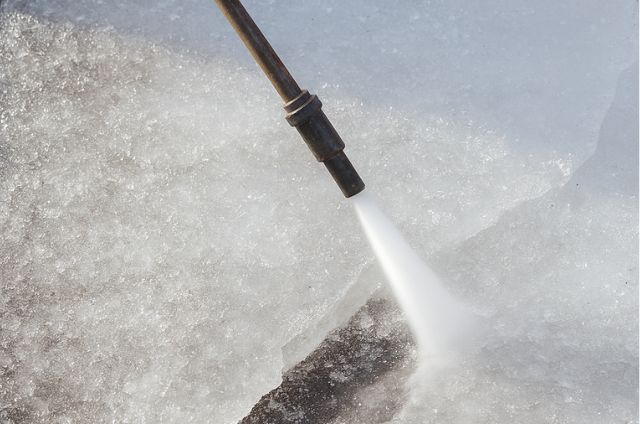
Professional ice dam removal relies on equipment and techniques that respect the roof. When you hire a qualified ice dam removal service, you should expect them to use low-pressure steam, safety tie-offs, and a methodical approach that removes the ice while protecting the roofing system. The difference is not subtle. Steam cuts through the bond between ice and shingle without the abrasive blasting or prying that causes damage. Done right, the roof is wet afterward but intact.
How steam ice dam removal works
Steam is the industry standard for professional ice dam removal because it delivers high heat at low pressure. A dedicated steamer runs at temperatures often above 250 degrees Fahrenheit at the nozzle but at pressures low enough that it will not gouge wood or dislodge shingle granules. The technician slices channels through the dam to relieve water pressure, then sections the ice into manageable pieces. Those chunks are either allowed to slide off safely or are roped and guided to the ground to avoid smashing shrubs and lower roofs.
A well-trained crew moves with a plan. They start by assessing drainage points, locating valleys and skylights, and mapping out the areas where water is actively trapped. If a dam is bridging a valley, they will cut a channel up the valley to daylight first, then widen it to ensure the next melt cycle has somewhere to go. Over gutters, they will often clear a vertical path above each downspout before shaving the dam back to a thin edge. The goal is not to polish the eaves clean, it is to restore drainage and remove the bulk of the weight with minimal roof time and minimal risk.
I have cleared dams where the first cut dropped the water level several inches and stopped an interior leak within minutes. That relief matters. The longer water sits behind a dam, the more likely it is to find a fast path into the house.
What to expect when you call for help
If you search for ice dam removal near me during professional commercial roof snow removal a cold snap, expect a rush. Crews triage during peak conditions. Emergency ice dam removal is common when water is actively entering a home; otherwise, you may be scheduled for the next available window. A reputable company will ask pointed questions before they dispatch: roof pitch and material, number of stories, whether the leak is active, past issues, attic access, and whether you see ice in valleys or only at the eaves. Photos help. A few quick shots from the ground can save an hour of diagnostic time.
Arrival looks different from typical roofing work. Most crews run a trailer-mounted steamer or a truck unit. They will park as close as possible, run hoses to the roof edge, and set up fall protection. Expect them to lay down tarps to catch debris and ice chunks around critical landscaping. Good crews bring calcium magnesium acetate for walkways, not rock salt. They will also have a spotter on the ground to manage the drop zone, especially over entrances and driveways.
How long it takes and how pricing usually works
Time on site depends on access, roof complexity, and depth of the ice. A small cape with simple eaves and a single dam over the north side can be cleared in 1 to 2 hours. A two-story home with dormers, valleys, and frozen gutters can take 3 to 6 hours. Commercial buildings with low-slope sections and deep accumulations can stretch beyond a day if conditions are severe.
Most ice dam removal cost structures are hourly, billed per technician or per crew. Regional rates vary, but in many northern markets you will see ranges from roughly 300 to 600 dollars per hour for a two-person steam crew, with higher rates for emergency after-hours service. Some companies charge a travel fee or a minimum of two hours to cover setup and teardown. Ask how they bill, how many technicians will be onsite, and what tools they will use. Watch for quotes that promise quick removal with hot water pressure washers or chisels; those lower costs can become very expensive after roof repairs.
Insurers sometimes cover damage from sudden and accidental water intrusion, but they do not usually pay for removing the ice dam itself. Document the leak early with photos and keep invoices. If snow removal from the roof is required to prevent further damage, ask your insurer whether that portion is covered. I have seen claims approved for interior repairs and dry-out work when homeowners acted quickly and hired professional help.
Safety is not optional
Walking a snowy roof is risky even for professionals. We use fall protection, secure ladders to solid anchors, and pick anchor points carefully to avoid puncturing the roof. A steep roof at 6/12 or above often requires roof jacks and planks, which take time to set. Valleys are treacherous with glazed ice hidden under powder. A professional team will often start by clearing walkways, setting a perimeter below, and briefing homeowners to stay inside while ice is coming off the roof.
Another safety point is steam itself. The steam wand looks like a pressure washer, but the nozzle releases superheated vapor that will burn skin instantly. Good crews keep the wand in motion, angle spray away from shingles whenever possible, and never cut directly into gutters where trapped steam can warp components. If a company shows up without gloves, helmets, or harnesses, send them away.
What an honest scope of work looks like
A trustworthy ice dam removal service will make the problem smaller without creating new ones. They will:
- Use steam, not hot water pressure or mechanical chisels, to remove ice on shingles, valleys, and around penetrations. Clear channels through dams to daylight and reduce ice load safely over entrances and driveways. Remove enough snow to prevent immediate re-formation while avoiding unnecessary roof traffic. Protect landscaping and walkways, manage drop zones, and clean up debris after work. Provide observations about likely causes such as attic bypasses, poor ventilation, or blocked soffits, and suggest a plan to prevent ice dams on roof sections prone to trouble.
Those five points set a standard. Deviations usually show up later as loose shingles, missing granules, or a dam that returns two days after the crew leaves.
The temptation to DIY and where it makes sense
Homeowners ask me what they can do while waiting for a crew to arrive. There are a few safe actions at ground level. If you have interior leaks, place buckets and puncture any ceiling bubbles with a small hole to relieve pressure. Move valuables. If you can reach the roof edge from the ground with a plastic snow rake, gently pull down a few feet of snow, working in shallow passes. Never yank, which can shear off brittle shingles in cold weather. Do not climb onto the roof with a shovel. Do not use salt or ice melt products on the roof surface. Tube socks filled with calcium chloride laid perpendicular to a dam can open a small channel in a pinch, but they can stain and are a temporary measure at best.
I have seen homeowners successfully manage mild ice dams in single-story ranches with long-handled rakes and patience. They are also the ones who preempt the problem by keeping the first three to four feet of roof clear after each snowfall. The moment you have water entering the house or a thick, glazed dam with a visible reservoir, call for professional ice dam removal.
How residential ice dam removal differs from commercial work
Residential ice dam removal is usually surgical. The goal is to stop active leaks, protect the roof assembly, and buy time until a lasting fix can be installed. Commercial buildings may introduce membrane roofs, parapets, and internal drains that freeze solid. Steam is still useful, but crews often complement it with heated cables temporarily, drain thawing, and large-scale snow management on flat sections. Time of day matters on low-slope roofs because sun can create sheet ice over a membrane that becomes dangerously slick by afternoon.
The common denominator is respect for the roof material. Torch work or chemical deicers do not belong on EPDM or TPO membranes. Skilled crews adjust methods for each surface, whether that is cedar, asphalt, metal, or single-ply.
Prevention that actually works
Ice dams form due to a simple imbalance: heat loss warms the roof deck above the eaves, snow melts, and water refreezes at the cold edge. You can break this cycle in three complementary ways: reduce heat loss, ventilate the roof properly, and manage snow loads.
Reducing heat loss starts with air sealing. In my experience, air leaks do more harm than thin insulation. Seal gaps around can lights, bath fans, plumbing chases, attic hatches, and top plates. Use fire-rated foam or rigid covers where required, then add insulation. Many homes in cold climates perform well at R-49 to R-60 in the attic. Cathedral ceilings need dense-pack or spray foam to reach R-values without venting errors. If you are upgrading, consider closed-cell foam at the eaves to block wind washing, then blown cellulose above.
Ventilation keeps the roof deck closer to outside temperature. Continuous soffit intake and ridge vents are the standard on vented assemblies. Baffles maintain airflow over the insulation at the eaves. I have seen builders add ridge vents without clear soffit intake and wonder why ice dams worsened. Air in must equal air out. Gable vents can help but are not a substitute for even airflow along the underside of the roof sheathing.
Snow management is the practical lever during winter. If storms leave more than 8 to 12 inches of snow on the roof and temperatures hover around freezing by day and single digits at night, rake the lower roof regularly. In heavy snow regions, plan for professional roof snow removal after large storms to reduce load and prevent dams from gaining mass.
Heat cables deserve a frank note. Properly installed, self-regulating heat cables can keep small channels open above gutters and in valleys. They are not a cure, they are a Band-Aid that uses electricity to mask a building performance problem. I recommend them for problem areas that cannot be rebuilt midwinter, for complex valleys that trap drifting snow, or for unvented porch roofs where insulation cannot be added. Have an electrician size circuits and use GFCI protection.
Choosing the right professional
When you vet a professional ice dam removal company, ask what they use on the roof and listen carefully. The answer should be steam, harnesses, and plastic snow shovels. Ask for proof of insurance and workers’ compensation. Request photos of similar jobs and references from last winter, not just roofing work in summer. Clarify pricing, minimums, and what is included. If you are calling after hours for emergency ice dam removal, ask whether two technicians will arrive. Solo work on a winter roof is a red flag.
Availability matters in peak season, which is why it helps to identify a qualified company before the first storm. Keep their number handy. Homeowners who call early often get same-day service. Those who wait until water is pouring through a light fixture end up on a long list watching the forecast.
The anatomy of one job
A few winters ago, a client with a mid-century ranch called after spotting a growing stain in the living room. The roof had a low pitch and a long north-facing eave. Snow depth was about 14 inches, overnight lows near zero, and daytime highs around 20. From the ground, we saw a classic dam 10 to 12 inches thick over the gutter, with clear ice extending into the first course of shingles.
We began by shoveling the top layer of snow back about 6 feet from the eave using plastic push shovels, always lifting rather than scraping to protect shingles. Next came steam. We cut a primary channel above the downspout position, which dropped the standing water in a minute. The leak inside stopped. From there, we sectioned the dam into manageable pieces, steering chunks away from the front walk we had tarped. Two hours later the eaves were relieved of weight, the gutters free, and a 4-foot band of roof cleared to reduce the chance of a quick re-formation.
Inside, we advised the homeowner to open a small hole at the lowest point of the ceiling stain to drain residual moisture into a bucket, then run a fan and dehumidifier. In the attic, we found a bath fan duct venting into the insulation, a common mistake. That warm moist air had been pouring into the eave cavity and supercharging the ice dam. We sealed the duct to a proper roof cap, installed a baffle above the soffit for airflow, and later returned to add cellulose over the attic floor. The next winter, with similar weather, the homeowner reported only a light fringe of icicles and no dams.
Regional and roof-specific wrinkles
Not all roofs behave the same. Metal roofs shed snow more readily, which can limit ice dam formation but create dangerous slides. I sometimes install snow guards above entrances to control the release. On cedar shake roofs, steam must be gentler, and you accept a slower pace to avoid lifting shakes. On older homes with balloon framing, warm air can race up wall cavities to the attic unless top plates are sealed; these houses benefit handsomely from air sealing and dense-pack cellulose in exterior walls.
Climate matters too. In coastal zones where temperatures hover near freezing, thaw cycles are frequent and dams can grow quickly. Inland regions see fewer thaws but longer periods of sublimation and freeze bonding, which locks dams tightly to shingles. The approach is similar, but the time estimates and urgency shift with conditions.
When to pair removal with repairs
If a dam formed because of a one-off storm and a perfect set of weather conditions, removal may be all you need. If it formed because of chronic heat loss and poor ventilation, plan for improvements when the roof is dry and accessible. Common projects include adding soffit vents where none exist, installing baffles to maintain airflow at the eaves, sealing penetrations, and upgrading attic insulation. If your roof is near the end of its life, consider a cold roof assembly during re-roofing, with a vent space above continuous insulation. This design keeps the roof deck cold while providing excellent thermal performance, and it nearly eliminates ice dams on roofs that otherwise struggle.
Flashing repairs may be necessary around chimneys and skylights where snow collects. Gutters should be rehung with proper pitch and sturdy hangers if ice weight distorted them. Avoid gutter guards that create a flat shelf for ice to weld onto unless they are designed with cold climates in mind.
What to do right now if you see an ice dam forming
- Document any interior leaks with timestamped photos and move items away from affected areas. Call a professional to schedule roof ice dam removal, and ask whether they use steam and fall protection. From the ground, gently rake the first few feet of snow off the eaves with a plastic roof rake if it is safe to do so. Control indoor humidity by running bath fans to the exterior, using kitchen ventilation when cooking, and setting a dehumidifier in affected rooms. If a ceiling bulges with water, pierce a small hole at the lowest point and drain it into a bucket to prevent a larger collapse.
These steps stabilize the situation and make the professional’s job faster, which lowers cost and reduces the chance of additional damage.
Final thoughts from the field
Ice dams are avoidable in most homes and manageable in the rest. The keys are respect for physics and disciplined execution. Hire professionals who use steam ice dam removal and who treat your roof as a system, not a surface. Ask for clear pricing and a plan that extends beyond today’s emergency. Then, when the weather warms, invest in air sealing, insulation, and ventilation that match your house. I have watched homes go from annual leaks to dry winters with a few targeted improvements and a little vigilance after storms.
If you are reading this with a damp ceiling and a cold forecast, there is a straightforward path forward. Get the ice off safely. Keep the water moving. Fix the building science problems that created the dam. Do that, and winter becomes what it should be, a season to watch the snow, not a season to chase it indoors.